

Our Sweet Secret, Jaggery
Growing up, we all knew sweetener as one thing: granulated white sugar. Early 2000’s households had a signature white and blue kilo bag of white sugar tucked away in the pantry, usually housing a teaspoon for serving.
Fast forward to today, nutritional science is brimming with papers and studies about how granulated, ultra-processed white sugar, among other mass market sweeteners, hide disruptive health risks. Refined white sugar is heavily processed and stripped of all naturally occurring minerals and antioxidants, leaving behind what are often described as “empty calories.”
Quick blood sugar spikes, prolonged insulin release, cravings, inflammation, and yes, even anxiety, are linked to the use of refined sweeteners in our modern diet.
However, way before ultra processed foods came along and influenced the world, there was an alternative being used in India for thousands of years - a more natural, sustainable and healthy method of sweetening foods.
Meet jaggery
Jaggery, or Gur, is a traditional and very natural, unrefined sweetener from India, made from the juice of a sugarcane plant. Native sugarcane juice is filtered and boiled - using an iron kadai over firewood - for many hours to reduce it to a dense liquid. It’s then left to cool naturally, after which it becomes a soft solid that is then molded into the desired shape or ground into a rough powder.
The quality of jaggery is judged by its colour; dark brown means it was not clarified during the making, or the sugarcane juice was boiled with full nutrients intact. And this is the jaggery we use at Singh Street Cha.
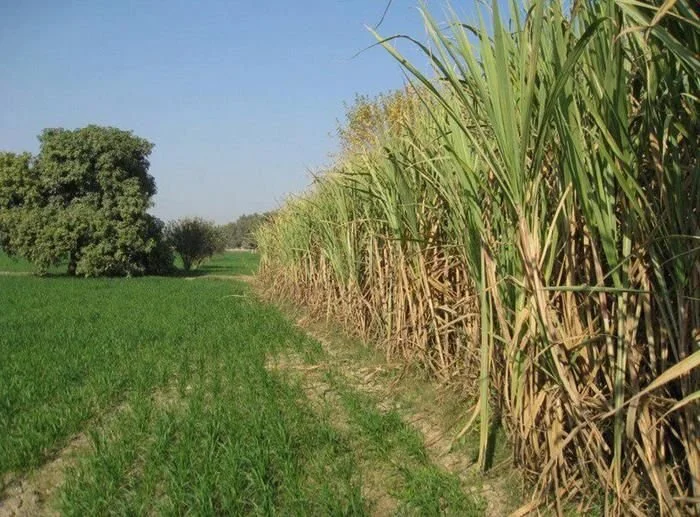
Sugarcane field in Punjab
Unlike white sugar, organic jaggery is not chemically processed or stripped of its natural components or colour, and most importantly, it’s naturally occurring health benefits. This minimal intervention allows jaggery to retain its minerals, antioxidants and complex flavour. The result is a sweetness that is warm, rounded and perfect for Cha, as well as anything else you would use sugar for.
“Cha is traditionally served very sweet, but we didn’t want to use refined sugar at Singh Street Cha.
“…That’s why we exclusively use organic heirloom jaggery, sourced directly from India. Not only because it’s true to tradition - and my sugarcane farming heritage in Punjab - but also because it’s a naturally occurring sweetener, much like what you’d find in fruit.”
Haj Atwal, co-founder, Singh Street Cha
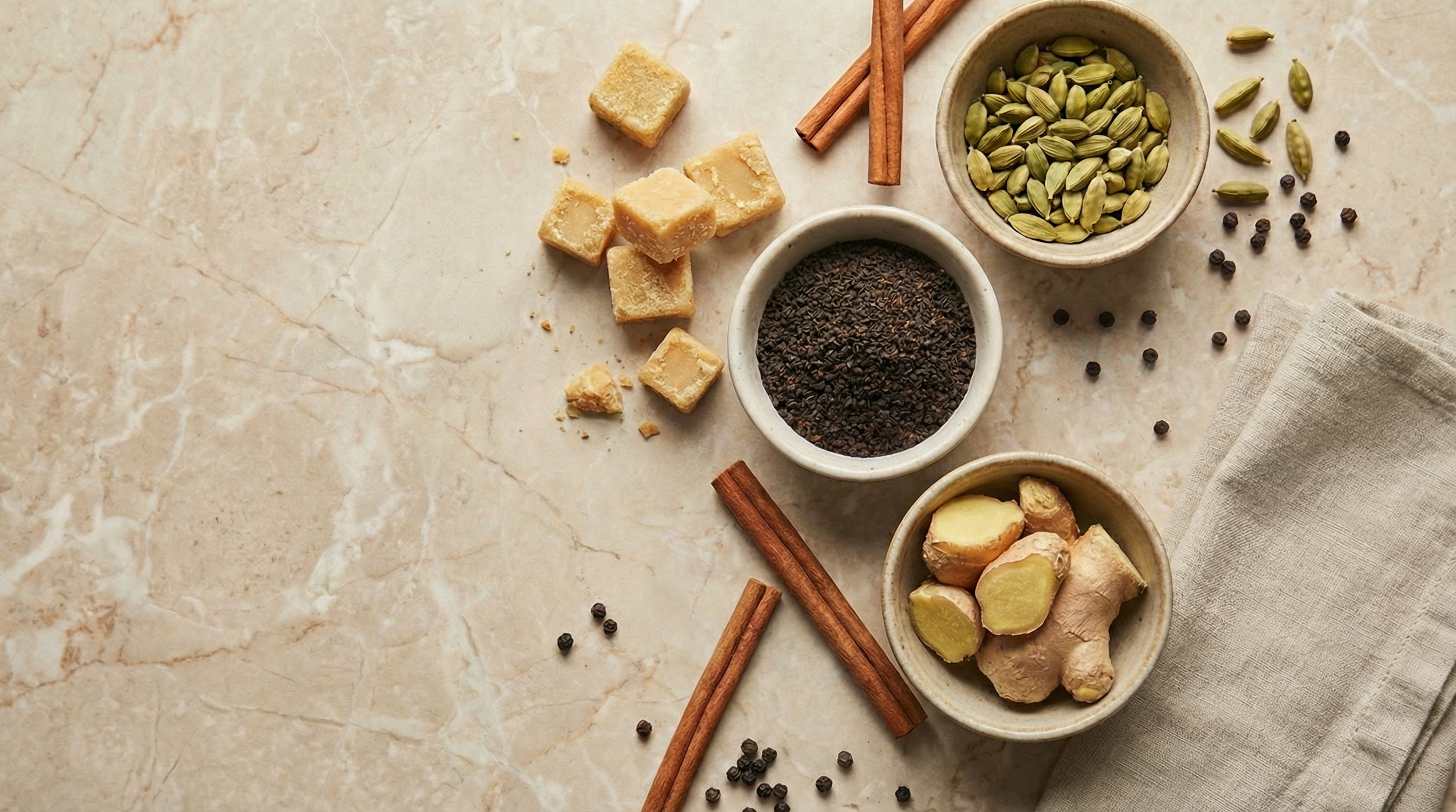
Some Cha ingredients with jaggery cubes. (This image is generated using Google’s Nano Banana Pro)
Jaggery is not a trend or a niche substitute. Its use can be traced back over 5,000 years to the Indus Valley civilisation, where it was valued as both a food and a source of nourishment.
Today, it remains a common household sweetener across Punjab and much of South Asia. Families, vendors and restaurants throughout South Asia offer jaggery as not only a condiment, but a diet staple.
By using jaggery in our core drinks at Singh Street Cha, we are continuing a living tradition rather than replacing sugar with a fashionable alternative.
Six reasons to swap sugar for organic Jaggery
1. It’s an authentic sweetener with deep roots
Jaggery is not a trend or a niche substitute. Its use can be traced back over 5,000 years to the Indus Valley civilisation, where it was valued as both a food and a source of nourishment.
Today, it remains a common household sweetener across Punjab and much of South Asia. Families, vendors and restaurants throughout South Asia offer jaggery as not only a condiment, but a diet staple.
By using jaggery in our core drinks at Singh Street Cha, we are continuing a living tradition rather than replacing sugar with a fashionable alternative.
2. It’s naturally rich in minerals and antioxidants
Because jaggery is unrefined, it contains naturally occurring minerals such as iron, magnesium, calcium, and potassium, along with antioxidant compounds that help the body manage oxidative stress.
3. It supports blood and lung health
In traditional food systems, natural jaggery has long been associated with cleansing properties. It is believed to assist in purifying the blood and lungs by helping the body clear impurities, a benefit often cited in regions with high environmental pollution. Jaggery is rich in iron and folate, great for your blood health and immunity.
4. It aids electrolyte balance for active lifestyles
The potassium content in jaggery helps maintain electrolyte balance, which is essential for muscle function, hydration, and recovery. This makes it particularly supportive for active, busy lives.
5. It’s good for digestion and gut health
Jaggery is known to encourage the correct secretion of gastric juices, supporting digestion and overall gut health. It has traditionally been consumed after meals for this very reason.
6. It supports steady, even energy release
Rather than causing sharp spikes and crashes, jaggery acts as a slow-burning fuel. Its natural composition allows for a more even release of energy, helping you feel sustained rather than wired. Jaggery is a complex carbohydrate that gets digested slowly, providing a steady release of energy, without the crash that comes from white sugar
“When perfecting our cha blends at home, we experimented with using agave, honey and other natural sweeteners. But nothing seemed to beat using jaggery, in terms of flavour and it’s overall health benefits.
“Jaggery adds terroir to our cha, earthiness, depth and complexity, all while lifting it with it’s signature sweetness.”
Anna Atwal, co-founder, Singh Street Cha
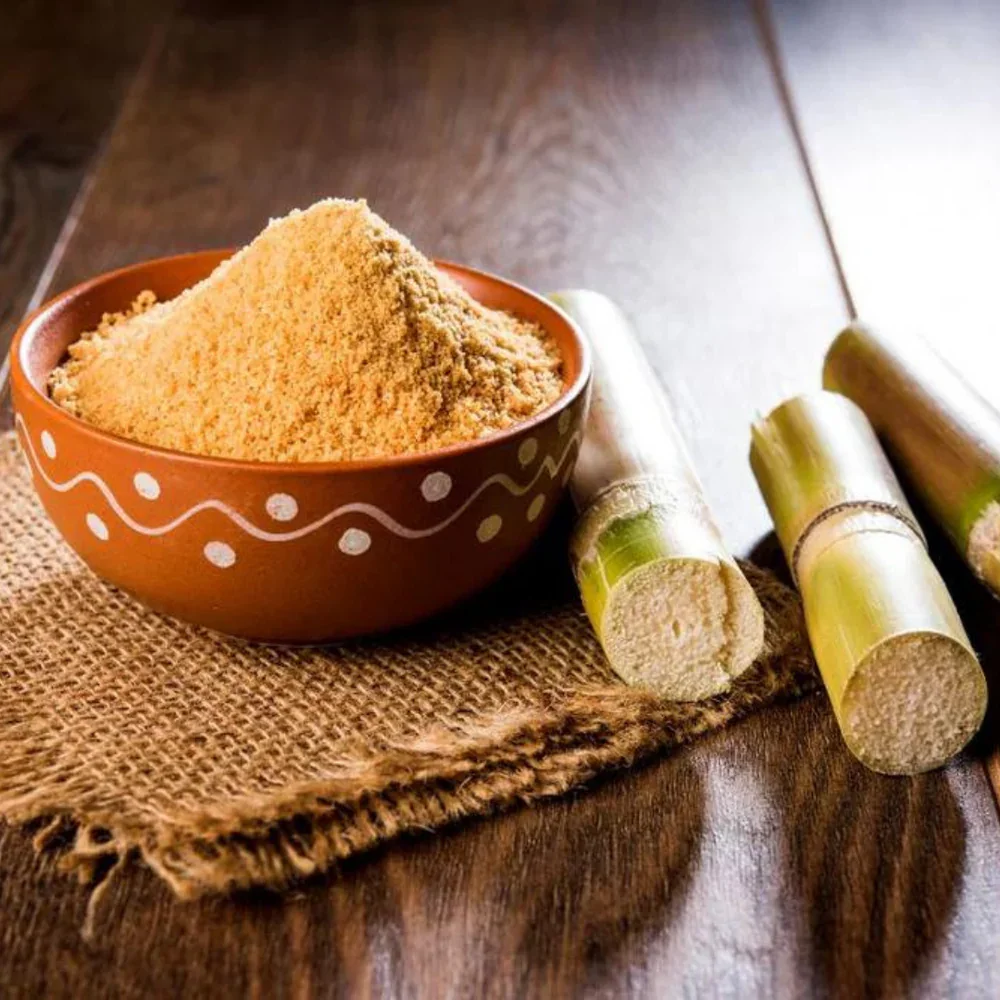
Jaggery can be used just like you would sugar in a powdered form
The flavour profile
Jaggery’s tasting notes are often described as complex, earthy and deeply sweet, with far more character than refined sugar.
Sweetness: A rich, deep sweetness that feels rounded rather than cloying.
Molasses, caramel, and toffee notes: Prominent undertones that add warmth and depth, sometimes with a gentle burnt-sugar character.
Earthiness: A robust, grounding flavour created by the presence of minerals and trace elements that refined sugar lacks.
Subtle smokiness: Depending on the production method, jaggery can carry a faint smoky note.
Fruity undertones: Some varieties reveal gentle hints of fruit or a slight tang.
Texture: Ranging from soft and fudgy to firm and crystalline, adding to its sensory appeal.
Flavour varies by source and method. We use organic heirloom sugarcane jaggery, which tends to be earthier and more robust, while palm jaggery often leans further into caramel richness.

The complexity of jaggery’s flavour profile makes it the perfect partner for authentic Punjabi cha
A Sweeter Alternative to Alternative Sweeteners
Generic, refined, ultra-processed white sugar is becoming less common in modern pantries. Gen-Z and younger consumers are actively seeking alternatives that feel more natural and intentional.
Many modern sweeteners, however, are one-dimensional, delivering a sharp, single-note sweetness that can verge on sickly. Jaggery offers something very different.
Culinary culture, alongside foodie trends, is leaning heavily towards introducing age-old seasoning methods to contemporary recipes. Over the past decade, miso, for example, has found itself becoming a popular feature in recipes (e.g. the now popular “Brown Butter Miso Cookies”), as it’s richer, earthier and more complex than mass market savoury seasoning.
We predict jaggery having a similar popularity in Western cooking in the coming years. Jaggery-infused cooking, that could see sauces, baked goods and even mocktails hitting our cookbooks, Instagram feeds and eateries.
Bring it Home
If you’re curious to experience jaggery at home, you can purchase the very same Organic Heirloom Sugarcane Jaggery that we use in our Stockbridge cafe, via our website or in-store. Made from a native sugarcane variety grown using traditional, regenerative farming practices in India.
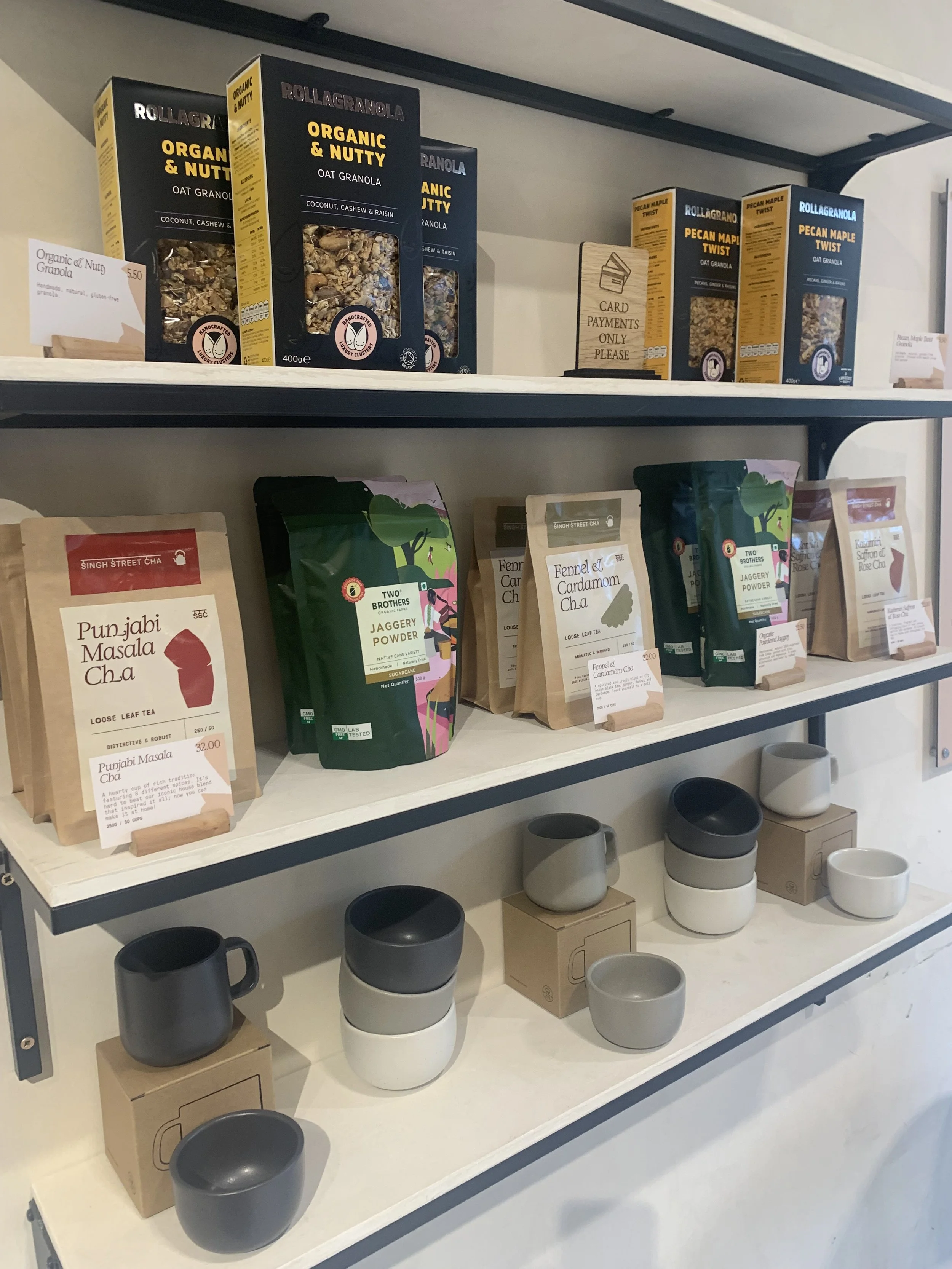
Jaggery powder among our Loose Leaf Tea blends and other staples in store
Use this to sweeten your teas, other hot drinks, or as an ingredient to add complexity and depth to your baking, or even sprinkle over cereal or toast. Native cane varieties are known for their resilience, deeper mineral content, and lower dependence on chemical inputs, making them both flavour-forward and environmentally considerate.
Sweetness doesn’t have to be empty. With jaggery, it can be nourishing, sustainable, and deeply rooted in culture. When you know, you know, and you’ll never go back to sugar!