

The Ultimate Guide to Brewing Authentic Masala Cha at Home
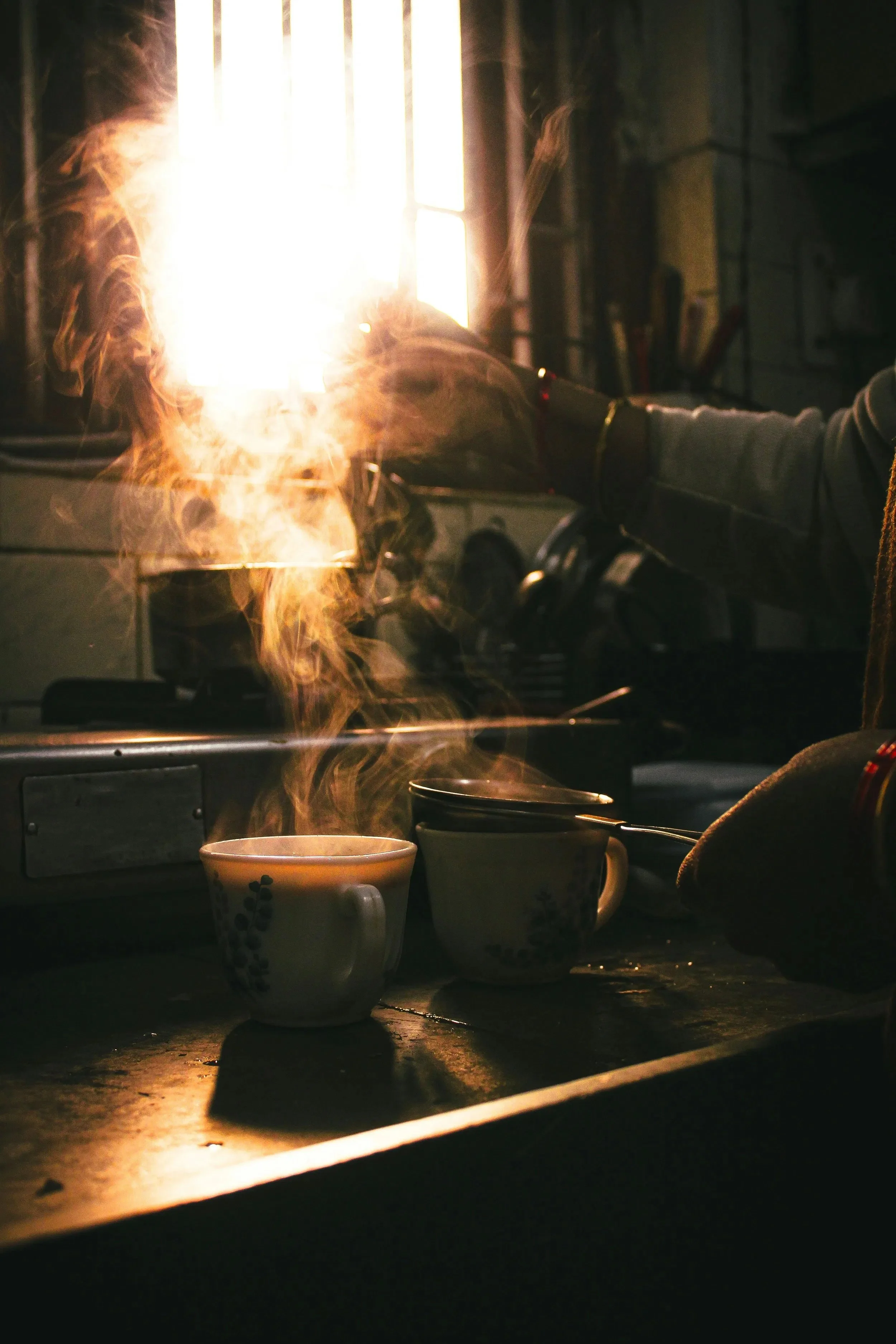
Two cups of masala cha, ready to share.
There’s something lovely about pausing while a pot of cha simmers: the scent of ginger and cardamom filling the kitchen, the tea darkening as it brews, and the promise of a warm cup to share. The good news is that you don’t need special equipment to make a comforting, full-flavoured masala cha at home. A saucepan, a fine sieve and a few minutes are enough.
At Singh Street Cha, we call it cha: the Panjabi word for tea, and a daily ritual that brings people together. There isn’t one single recipe that every household follows. The balance of tea, milk, sweetness and spice is personal, so think of this as a welcoming starting point, ready to adjust to your taste.
What you’ll need
1 cup (240 ml) water per cup of cha
1 teaspoon loose-leaf masala cha blend per cup
½ cup (120 ml) whole milk, or your preferred milk
1½ teaspoons jaggery per cup, or sweetener of choice
A small saucepan and a super fine tea strainer
A strong Assam black tea makes a good base for masala cha. Ours is CTC Assam tea, which refers to how the leaves are prepared: crushed, torn and curled into small grains that brew quickly and give the cha its bold, malty strength. Our Panjabi Masala Cha combines Assam tea with a bold and warming mix of eight herbs and spices, including bishop’s weed (commonly known as ajwain or carom seeds), black and green cardamom, fennel, clove, black pepper, ginger and cinnamon. If you prefer a lighter, more mellow cup, try our Fennel & Cardamom Cha.
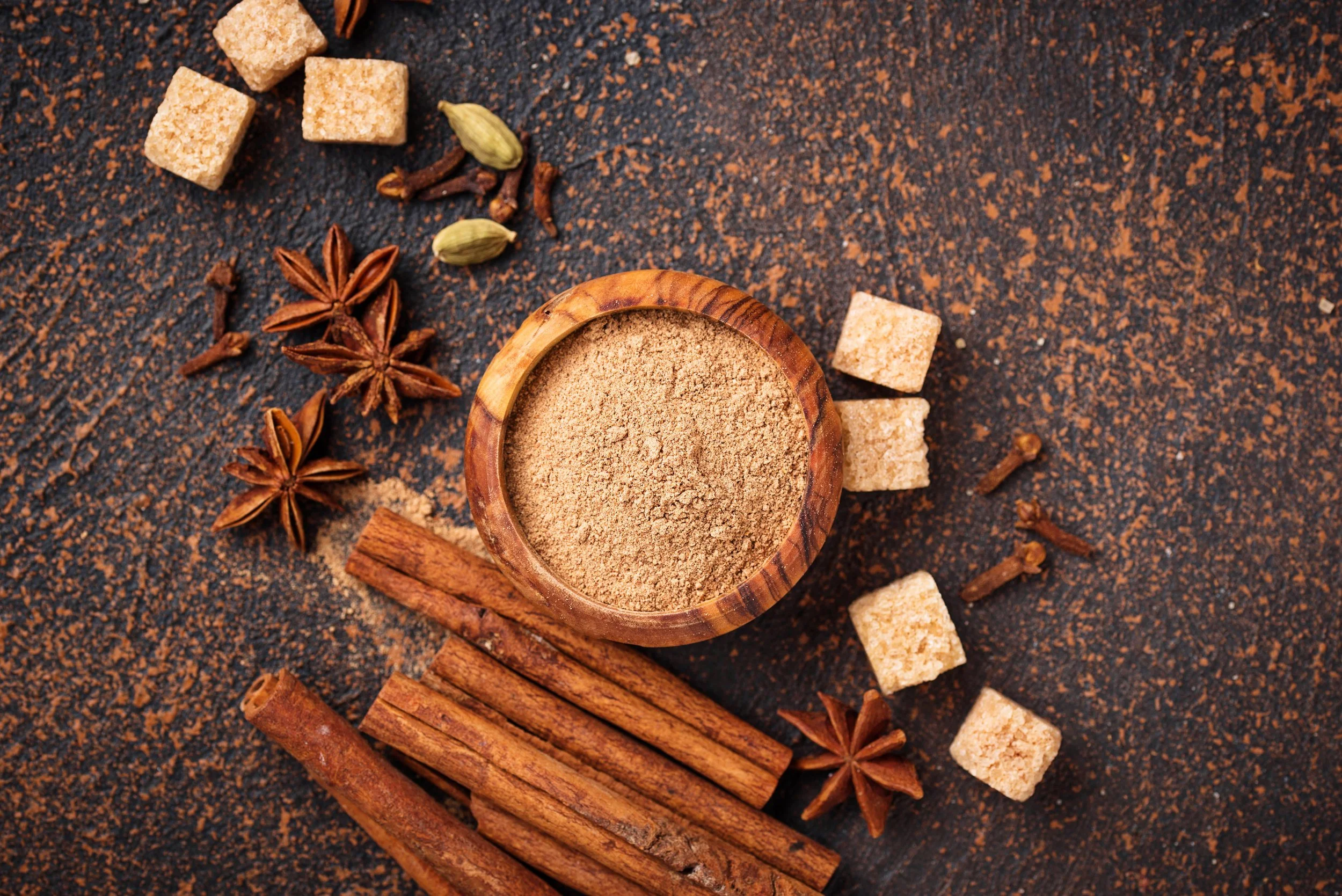
Whole spices bring warmth and aroma to masala cha.
How to make masala cha
1. Start with water
This is the same method we recommend on our tea blend packaging: the traditional way to brew cha for the most flavourful cup. The quantities are per cup, so scale up for a bigger pot.
Pour the water into a small saucepan and bring it to a boil. Starting with water gives the tea and spices room to infuse before you add the milk.
If you’re using a ready-made masala blend, you can go straight to the next step. For a more hands-on version using plain black tea, add a few lightly crushed cardamom pods, a slice of fresh ginger, a small piece of cinnamon and a couple of cloves to the water. Keep it simple at first; you can always adjust the spice balance next time.
2. Add the tea and let it infuse
Add a teaspoon of the loose tea blend per cup to the boiling water. Lower the heat and simmer gently for three minutes, until the liquid is fragrant and a deep reddish-brown. Give it a gentle stir.
Tea can turn bitter if it boils hard for too long, so keep an eye on the pan. If you like a more robust cup, let it simmer a little longer and taste as you go.
3. Add milk and sweetness
Pour in the milk (about half a cup per cup of cha) and add your sweetener; we suggest 1½ teaspoons of unprocessed, organic jaggery per cup. Bring the mixture back to the boil, then lower the heat and simmer for two minutes.
Aerating the cha using a soup ladle to scoop and pour from a height is the insiders secret to a great cup. This simple trick intensifies the scent and flavour and traps tiny air bubbles giving a rich, creamy and velvety froth.
Simmering the tea with the milk and jaggery brings everything together for a rounded, creamy cup. For a richer brew, use equal parts water and milk, or all milk. For a lighter, more tea-forward cha, add a splash more water. And keep close by: when milk boils it has a habit of climbing the sides of the pan just when you turn your back.
4. Strain and serve
Pour the cha through a super fine tea strainer into cups and serve while it’s hot. A small pinch of extra sweetness is easy to add at the table, so you don’t need to get the balance perfect in the saucepan.
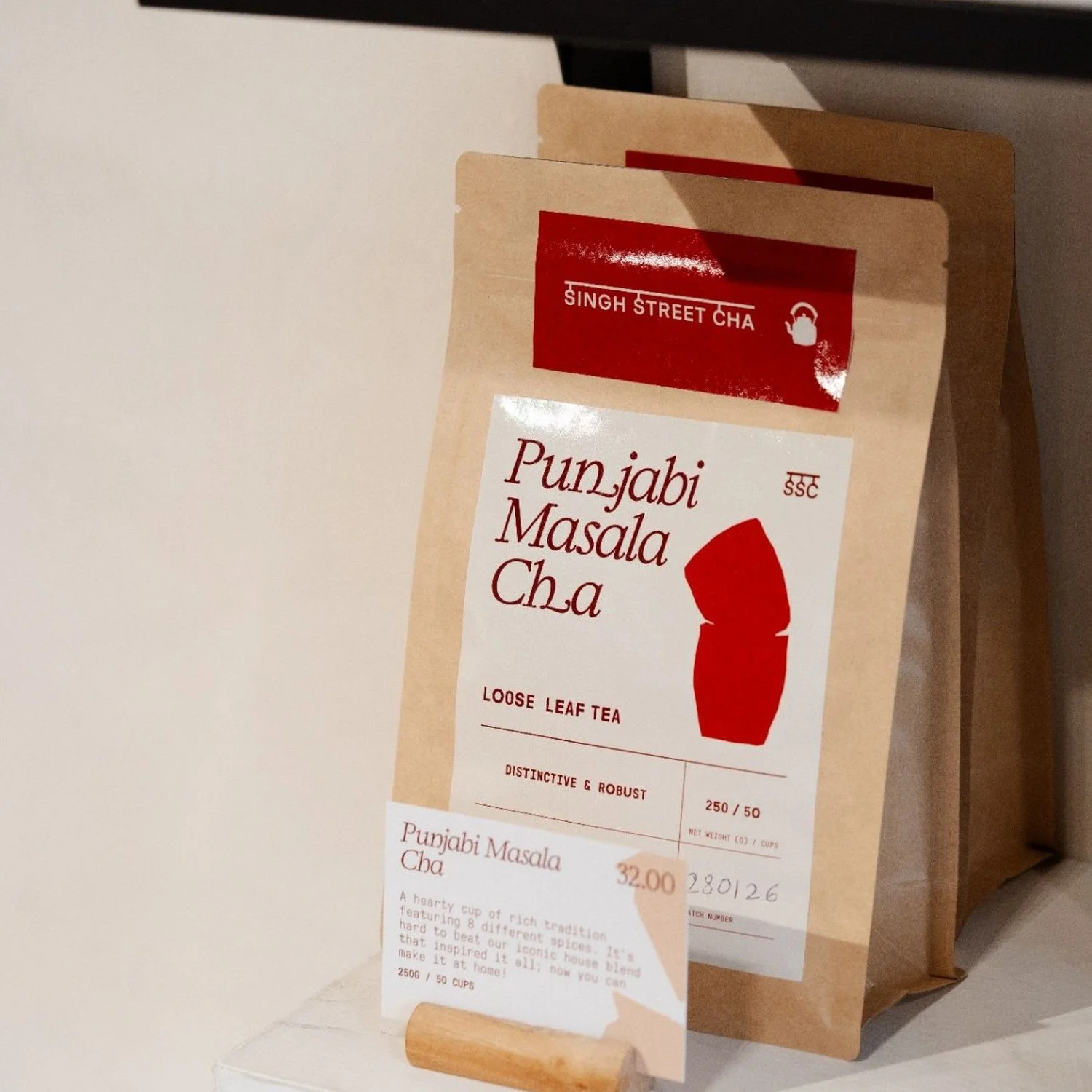
Panjabi Masala Cha, blended with Assam tea and spices.
Make the recipe your own
A good everyday recipe is one you enjoy making again. Once you’ve tried the method, make small changes until the cup suits you.
For a milk-free cup: Use the steeping method instead. Add a teaspoon of cha to a cup of boiling water, steep for five minutes, strain and serve.
For a stronger brew: Use a little more tea, or simmer it for a little longer before adding the milk.
For a creamier cup: Increase the milk, keeping in mind that it will soften the tea’s spice and strength.
For more ginger warmth: Add a thin slice of fresh ginger to the water at the start.
For less sweetness: Leave out the jaggery in the pan and sweeten each cup separately.
For a plant-based version: Try almond milk, or another milk you enjoy. Different milks vary in flavour and texture, so add yours gradually and keep the heat gentle.
If you’re using a blend like ours that already contains spices, taste it once brewed before adding extra ones. The spices should make the tea welcoming and fragrant, but not overpower the black tea.
A few small details make a difference
Crush whole spices lightly. If you’re adding your own, a gentle crush with the flat of a knife or a pestle helps release their aroma. You don’t need to grind them into powder.
Choose the right pan size. A little room at the top helps prevent the milk boiling over. It also makes it easier to aerate and keep an eye on the brew.
Strain before serving. This catches the tea leaves and whole spices, leaving a smooth cup.
Expect to tweak the timing. Tea strength, pan size and milk choice all affect the final result. A minute more or less can change the balance, so let your taste guide you.
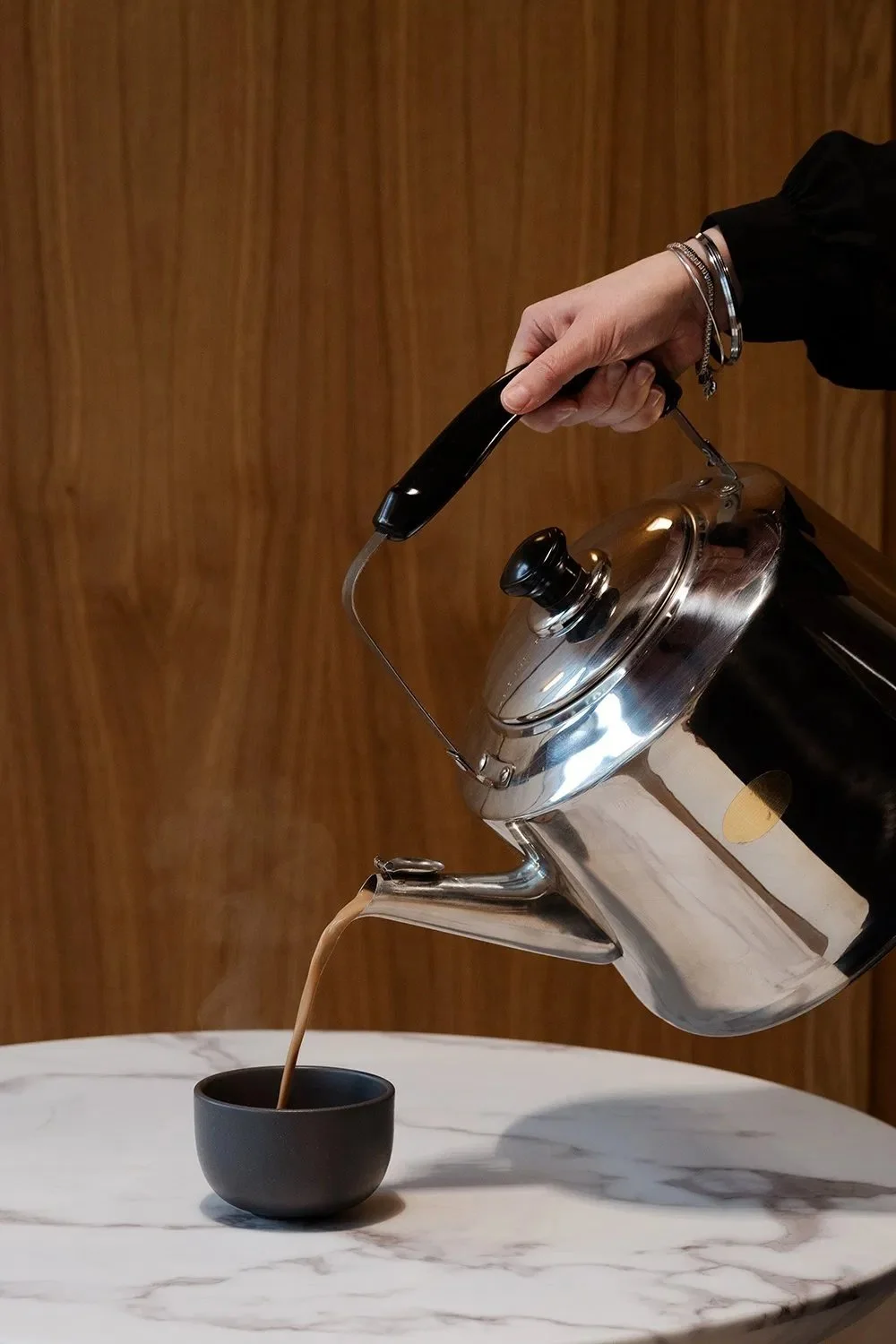
Pouring freshly brewed masala cha, hot from the pan in our big kettles in the Singh Street Cha cafe in Edinburgh.
Finding your favourite cup
Some days call for a bold, milky cha with a little sweetness. On others, you might want a lighter brew with the fragrance of cardamom and fennel. That’s part of the pleasure: the same saucepan can turn out a slightly different cup to match the moment.
Our blends are made in small batches with Assam tea and thoughtfully sourced spices, so you can bring a cafe-style cha ritual into your own kitchen. Explore the loose-leaf tea collection, or read more about the Panjabi traditions that inspire us on Our Cha.
Put the kettle on, give the pot a few minutes, and pour an extra cup if someones nearby. Cha is always better shared.